

How to Bulk Up on One of Leadership’s Most Coveted Skills
We all want it. Some of us have it. Many of us are trying to get more of it.
Influence.
Here are three tips to boost your influence:
1. Give before you take
Reciprocity is one of the most potent levers of influence.
The rule is simple: we naturally want to repay what others have given us.
I experienced this firsthand at a farmers’ market last weekend when I came across a cheesemaker offering samples. I’m a sucker for good cheese, so when she generously offered me a few tastings, I was far more inclined to buy from her than from a stall that didn’t.
The same principle applies in leadership: look for opportunities to give.
Sharing your time, knowledge, or skills builds goodwill and makes it far more likely that you’ll get a “yes” when it matters.
2. Let others do the convincing
One of my favourite TED Talks is Derek Sivers’ How to Start a Movement.
The key insight: followers show other followers how to follow.
I have a friend who can’t stop raving about her robotic vacuum cleaner. Guess what ended up on my birthday wish-list last year?
A great example of this peer-suasion principle in business comes from the City of Louisville, Kentucky. They added a single sentence to their letters to parking ticket recipients: “Most drivers pay within two weeks.”
Payments rose by 130 per cent, more than doubling revenue – a simple demonstration of how peer influence can drive behaviour.[1]
3. Build trust before you need it
We expect people trying to influence us to be trustworthy sources of information.
Trust takes time to build, and it’s a leader’s greatest currency.
One way to build trust early is to acknowledge a known weakness before highlighting the positives.
The leaders I work with who communicate most effectively share both what’s going well and what’s challenging during, and after, a project. They name the “elephant in the room” rather than pretending it’s not there. Doing so builds credibility and earns trust.
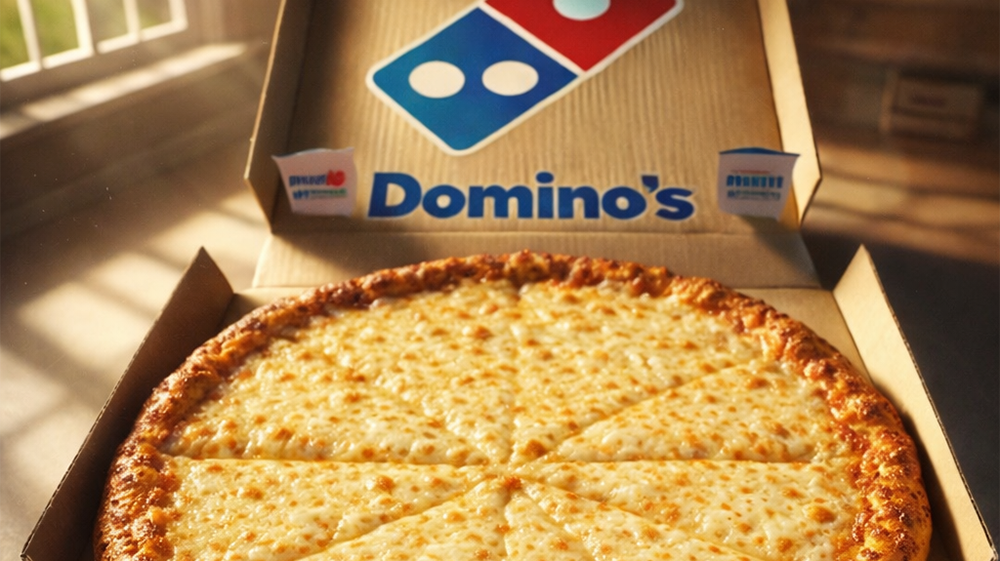
A brand that successfully built trust by admitting its weakness in an advertising campaign is Dominos. “The Pizza Turnaround” campaign openly acknowledged a past quality issue, calling out the “cardboard crust” and showing how they improved the recipe. This honesty built credibility, strengthened their relationship with customers, and led to a surge in both sales and share price.
[1] Behavioural Insights Team. Behavioural Insights for Cities. Bloomberg Philanthropies, Oct. 2016
Influence is a daily practice
Small actions make a big difference.
Influence isn’t about authority. It’s about how we behave every day.
It’s about being a good human.
Every small act of generosity, honesty, and thoughtfulness matters.
Being a good human isn’t incompatible with being a good businessperson. In fact, it’s often the fastest way to build meaningful influence.
In a world that can sometimes feel dark, I challenge you to use your influence for good and shine more light into the world.